

Epona365
Built with Partners:
Cloud Essentials
Where legal technology meets local expertise.

How would you describe Cloud Essentials’ role in legal?
Kristen is quick to move the conversation beyond the DMS itself. Cloud Essentials looks at the full Microsoft environment around a law firm, including how information is structured and which controls need to be in place. Sensitive content and regulatory requirements are part of that discussion from the beginning.
“We try to take a holistic approach,” she explains. “It is about getting the structure in place, getting the ways of working in place and getting the security right.”
For Roche, that also means translating legal requirements into the Microsoft stack. Cloud Essentials builds integrations between practice management and matter management systems, so firms can avoid duplicating work when new matters are created. The team also helps clients structure precedents and knowledge so useful content remains searchable and reusable.
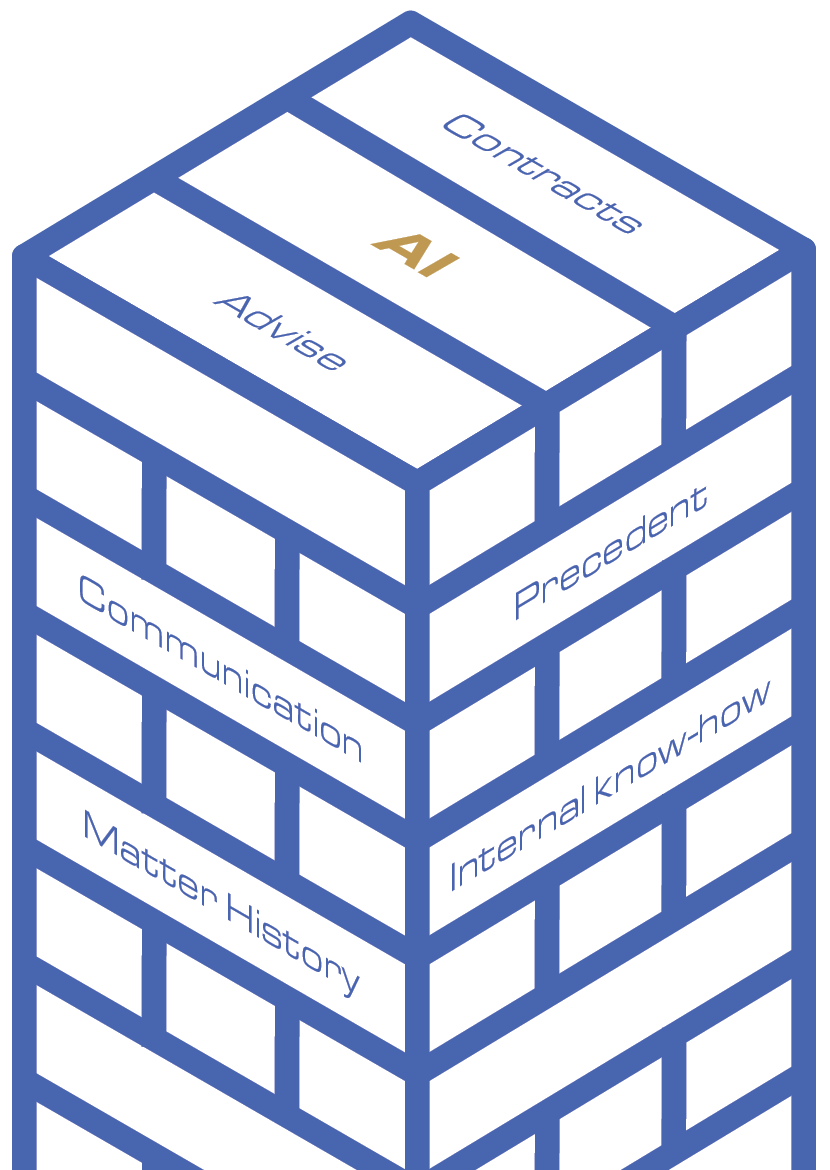
“A lot of what we do is preparing the environment for an AI solution,” Roche says.
What are you seeing change in the legal market?
Roche sees law firms becoming much more open to reconsidering their existing document environment. Many firms have already invested heavily in Microsoft 365, including SharePoint. So when an existing DMS needs replacing or moving to the cloud, Microsoft is already an obvious part of the shortlist.
“Firms are at a stage where they need to make that decision,” Roche says. “Because they already have Microsoft 365 and SharePoint, it gives them the freedom to look at what else is available.”
He sees the same shift around AI. Law firms are investing in products such as Harvey, Legora and Claude, and some are using several tools alongside each other. That brings up a different question.
For Roche, part of the answer sits in a firm’s own knowledge. Technology may be widely available, while a firm’s precedents, expertise and intellectual property remain unique to that firm.

Why did Epona become interesting to Cloud Essentials?
“For us, it starts with Microsoft,” Kristen says. Most Cloud Essentials customers already have a Microsoft strategy in place, so the team looks for technology that builds on that investment rather than adding another separate environment.
Epona365 uses Microsoft 365 and SharePoint for legal document and email management. Epona KMS adds a knowledge layer for selected legal know-how, which means firms can keep documents, knowledge and governance closer together inside the Microsoft environment they already use.
Roche also sees a strong connection with Microsoft Purview and the wider governance setup. “You already have SharePoint as the starting point, then you have the governance layer with Purview. With KMS, you can start using your own IP and the expertise of your own people.”
The growing role of AI Agents is another part of the discussion. Kristen says clients are interested in what agents can do, while security and control come up in the same conversation. “They want agents, but they want to deploy them safely. They want to make sure there are no security issues and that they are getting the right responses and actions.”

Where do Cloud Essentials and Epona complement each other?
For Roche, the connection becomes clearest when you look at the architecture. Cloud Essentials prepares and governs the Microsoft and SharePoint environment underneath the legal technology, with attention to retention and sensitivity from the start.
Cloud Essentials is also well connected with local Microsoft sales teams, particularly in the markets where it is growing its legal focus. That gives the team a useful position in conversations around Microsoft 365, document management and governance, and creates more opportunities to bring Epona into those discussions where there is a clear fit.
“We make sure the proper governance guardrails are in place,” he says. “That includes sensitivity labels and retention.”
Kristen looks at the same issue from the project side. Before a migration begins, the team studies the existing data, identifies sensitive information and looks at the way content is currently being used. “We don’t just dive in and say, ‘migrate all the data in.’ We perform discoveries. We understand the data.”
That matters particularly in legal, where a migration may involve years of confidential client information. Moving everything technically is only one part of the project. Understanding what is being moved, how it should be protected and who should be able to access it is just as important.
“If content is moved across in the wrong way or ends up in the wrong hands, you have a problem,” Kristen says.
What are your ambitions with Epona?
Cloud Essentials sees plenty of room to grow the partnership further in South Africa, the UK and the Gulf region. The ambition is to reach more legal organizations in those markets and combine Epona365 and Epona KMS with Cloud Essentials’ Microsoft, governance and implementation expertise. For both teams, the opportunity is practical: bring a stronger Microsoft-based legal environment to firms that want document management, knowledge and governance to work more closely together.

What happens after implementation?
For Cloud Essentials, go-live is only part of the project. The team stays involved as Microsoft technology changes and reviews the impact when new Purview capabilities or SharePoint developments affect the setup.
Adoption also gets attention during implementation. Cloud Essentials works with trainers and users so they understand the new environment and know how to use it confidently. “We sit with users and trainers and make sure they understand how the technology works,” Kristen explains.
That ongoing role is also part of the partnership with Epona. Cloud Essentials can handle Microsoft expertise, implementation and local support, while Epona brings the legal product knowledge around Epona365 and Epona KMS.

What are law firms asking about now?
Kristen and Roche both mention external sharing as a topic that comes up far more often than a few years ago. Law firms collaborate more widely and share more information outside their walls, creating new questions about access and security.
AI adds another layer because firms want to understand what information their tools and agents can access, and what controls they need in place before they expand their use.
“We want to deploy AI, but we need the necessary security and guardrails in place,” Kristen says. “That is one of the biggest concerns we see coming up.”
For Cloud Essentials, those questions lead back to the same themes that shape much of its legal work: structure, governance and security. That is also where the partnership with Epona makes sense, with Cloud Essentials bringing deep Microsoft expertise and Epona adding the legal document and knowledge layer.