

Do Law Firms Still Need a DMS in the Age of Copilot?
Inside Legal Platforms, by Bart Bogaerts
The Question Firms Are Starting to Ask
A few years ago, the DMS conversation was predictable because law firms needed a place to store documents and file emails. The system had to be secure, searchable, and matter based. Nobody expected fireworks. A DMS was part of the machinery. Then Microsoft Copilot entered the room.
Suddenly, the question became more interesting. If lawyers already work in Microsoft 365, and if Copilot becomes the new interface for finding and summarizing information, do firms still need a legal DMS?
I can be short on this one: yes. Even more than before.
That answer may sound strange in a market full of AI hype. Many people expect AI to clean up the mess around legal information. It will not. AI can only give better answers when the environment around it has enough structure to guide it.
A document on its own tells only part of the story. The system also needs to understand the matter, the version, and the permissions around it. Without that context, AI can still produce an answer. The lawyer simply has less reason to trust it.
governed, and trustworthy. For lawyers, IT, and for Copilot.”
SharePoint Is Powerful,
but Legal Work Needs Shape
Microsoft 365 gives firms a strong foundation. Lawyers draft in Word and live in Outlook, and IT teams already manage identity and security inside the Microsoft environment. That makes Microsoft a logical place to build the next generation of legal work. SharePoint plays a big role in that foundation. It is powerful and already part of the Microsoft landscape. With Copilot becoming part of daily work, SharePoint becomes even more relevant.
Still, SharePoint does not wake up one morning and become a legal DMS.
A law firm needs matter-centric working and email filing that captures the full story of a matter. It needs metadata that reflects legal work and permission logic that understands confidentiality.
A firm or legal department can store documents in SharePoint and still lack a reliable legal structure. That difference becomes painful once AI starts reading along. I will explain why: if content spreads across Teams and personal folders, AI inherits that mess. If final versions sit next to old drafts, trust becomes harder. If permissions are unclear, risk moves faster than the work. AI makes weak structure visible faster.
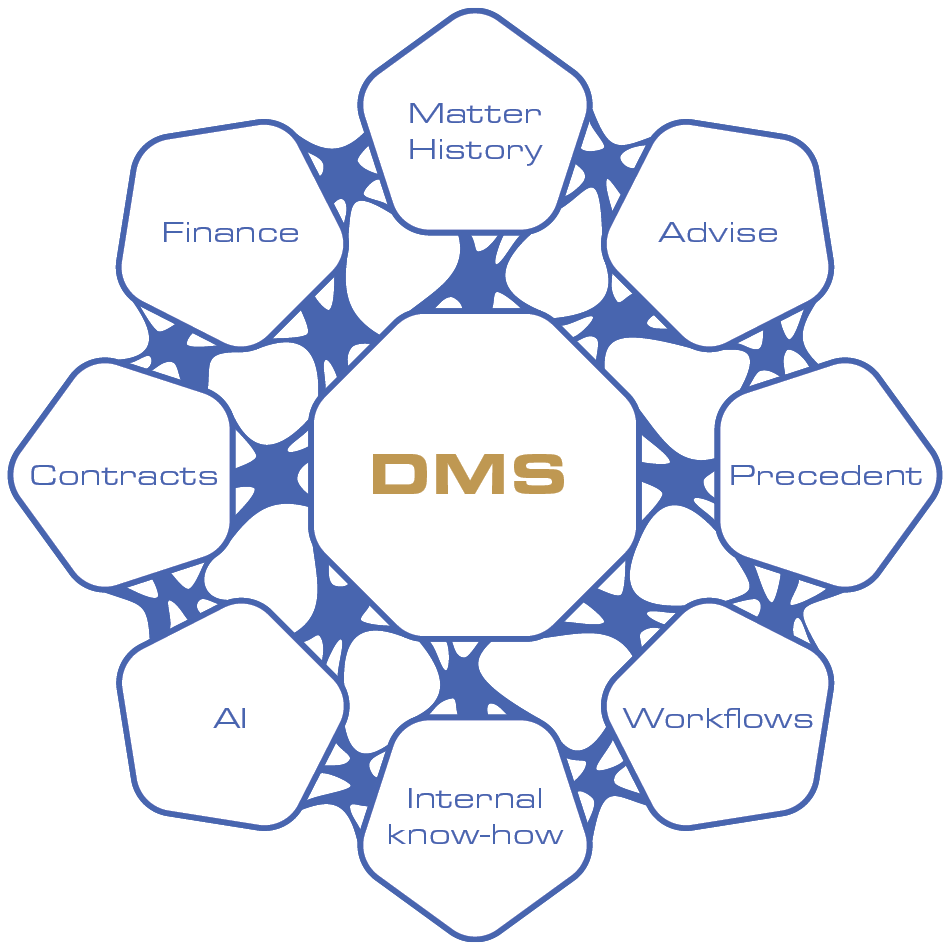
From Storage to
Legal Data Foundation
The old DMS story was about filing and retrieval. Where is the document? Who worked on it? Can we find it later? Those questions are still important, but the role of the DMS has become much bigger.
A modern legal DMS creates the data foundation for daily work and AI. It gives matter context to documents and helps lawyers find the right version instead of eight almost-right versions.
Legal teams need a working environment where legal content becomes usable, governed, and trustworthy. For lawyers, IT, and Copilot. The DMS used to support how lawyers stored work. Now it also shapes how AI can understand that work.
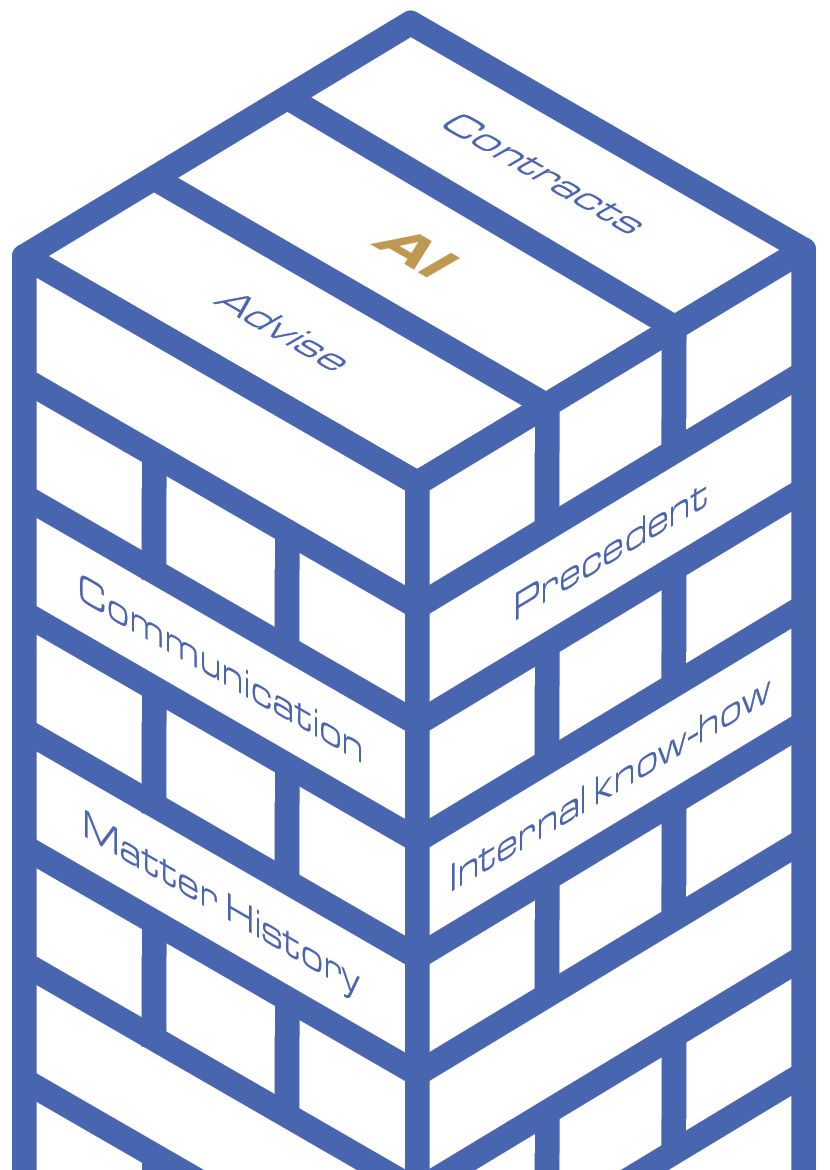
Why Native Matters
This is also why the Microsoft-native discussion deserves a sharper conversation. Many vendors can say they connect to Microsoft. A connector can be useful because it can make content reachable from another system. But reachable content is only the beginning. A connector to Microsoft is not the same as a legal DMS built inside Microsoft 365. That difference affects governance and context. It also affects how Copilot can work with legal information.
For legal teams, the practical question is simple: does the environment help AI understand the legal file, or does it only point AI toward a document?
Epona365 is built on Microsoft 365 and SharePoint. That means legal work stays close to the environment where lawyers already work. Epona adds the legal layer: matters, email filing, metadata, and permission logic. That is a very different story from pushing legal documents into a separate container and connecting them back to Microsoft later. Epona does not ask firms to choose between Microsoft and legal structure. It brings legal structure into Microsoft.

DMS First, KMS Next
The DMS captures the work and the KMS activates the knowledge. A DMS structures documents and emails around matters. A KMS selects the best know-how and makes it reusable. A firm cannot build trusted legal knowledge on top of scattered matter work. The foundation needs to be right first.
Epona365 helps firms turn Microsoft 365 and SharePoint into a legal document management platform. We give lawyers a matter-based way of working inside the tools they already use. This creates a cleaner foundation for Copilot, future AI agents, and knowledge reuse.
So yes, law firms still need a DMS. They need one because Copilot is becoming part of legal work. They need one because context matters more now. And before I forget, they need one because competitive advantage will come from the firm’s own structured knowledge, rather than from the same AI tools every other firm can buy.
