Your Firm Already Has the Knowledge. The Problem Is Knowing What to Trust.
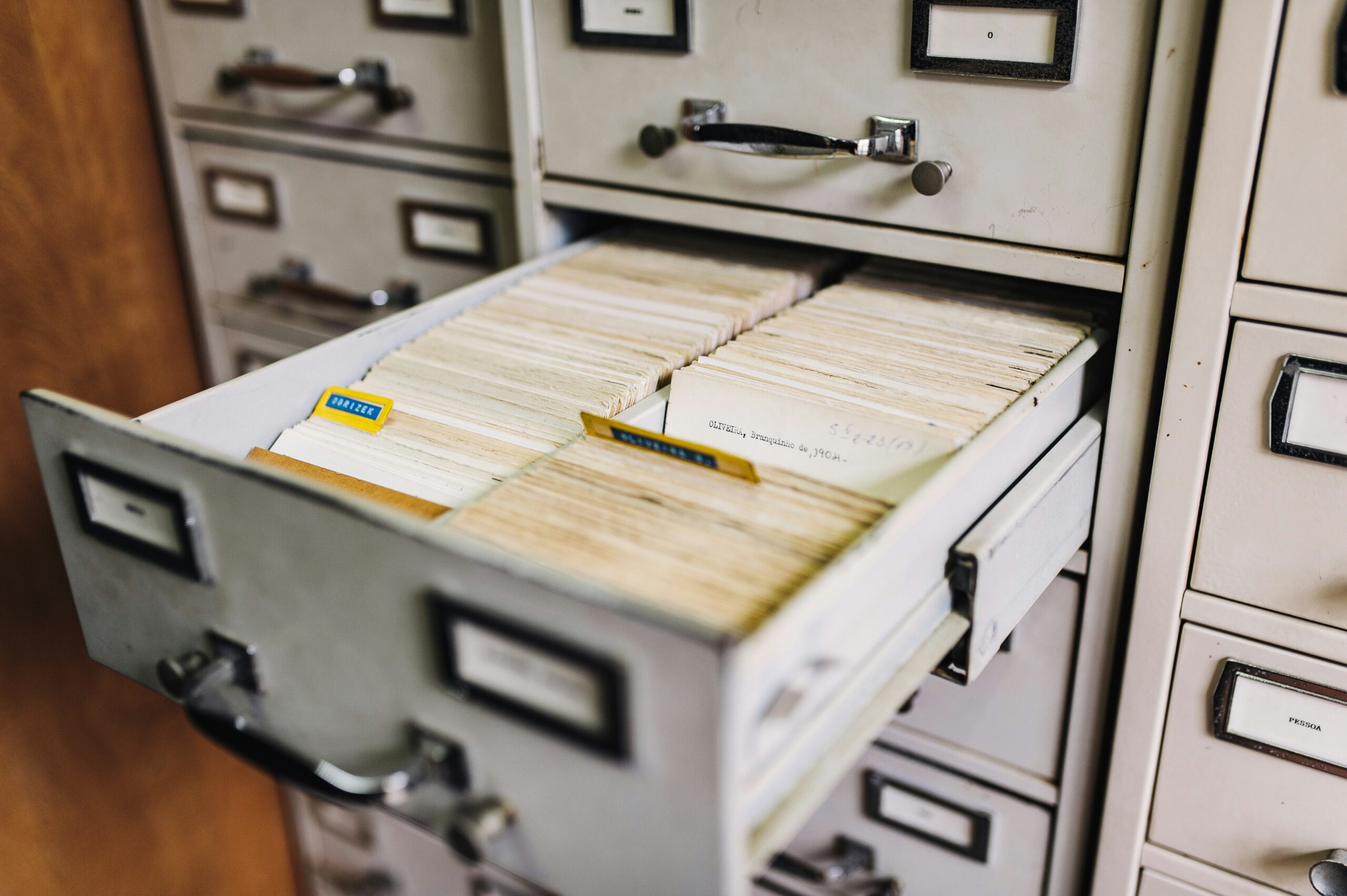
Law firms hold an enormous amount of valuable knowledge. Years of precedents, clauses, arguments, templates, practical notes, and hard-won experience are already there. The challenge is knowing where that knowledge lives and whether it is still useful. During our recent Epona KMS webinar, Marcel Lang described a familiar picture: know-how spread across the firm. It can be found in DMS workspaces, personal drives, email, file shares, and individual lawyers’ heads. Search can surface the documents, but lawyers still need to know which version is current, approved, and worth reusing.
Search Is Easy,
but Trust Is Harder
AI makes that problem harder to ignore. Search is easy, but trust is harder. Finding ten clauses in seconds sounds efficient, until nobody knows which of the clauses is the right one. Legal knowledge needs context around it. Someone must decide what deserves a place in the knowledge collection. Someone needs to review it, maintain it, and decide when it needs another look.
That is why Epona KMS uses a nomination, review, and publishing flow. A lawyer can submit useful content, but it doesn’t automatically become firm knowledge just because someone clicked a button. Reviewers and gatekeepers remain part of the process and the same principle applies to AI. Epona KMS can answer questions using the curated knowledge collection and show the sources behind the answer. Firms can also create verified answers for recurring questions, so lawyers have a trusted starting point rather than another anonymous AI response
Your Own Know-How
Is Worth Protecting
External legal tools are becoming available to everyone, but your internal experience is not. The clause your team negotiated successfully or the precedent your specialists rely on. But also, the reasoning behind a position that worked before and the practical knowledge built over years of client work. That is where firms can still create a genuine advantage. But only if that knowledge survives beyond the person who created it.
Marcel also touched on another uncomfortable reality during the webinar: when experienced lawyers leave, a large part of their know-how can leave with them. Keeping useful knowledge inside the firm takes more than storage. It needs ownership and a process for keeping it alive.

Knowledge Needs Maintenance
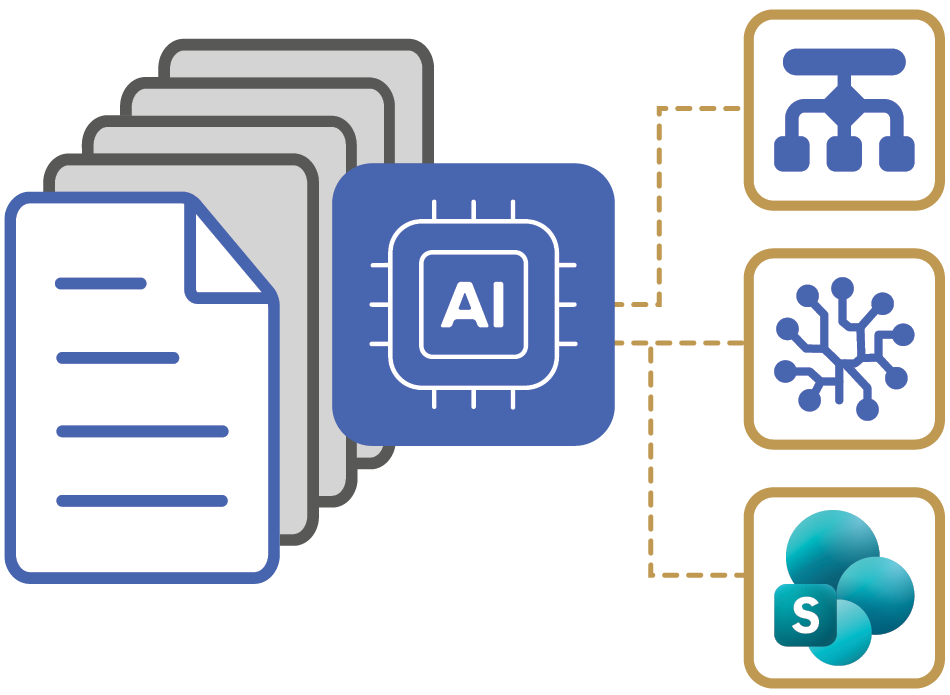
A good knowledge collection should never become a graveyard for old documents. In Epona KMS, you can attach review dates to content, and outdated material can be routed back to the people responsible for it. AI agents can identify missing metadata, gaps in the collection, or documents that may need attention. They make suggestions; people stay in control of approval and that creates a much healthier model for KM. Instead of building a large library and hoping lawyers use it, firms can see what gets searched, what gets reused, where content is missing, and where quality needs attention.
Start With What
You Already Have
Before adding another AI tool, it is worth looking at the knowledge already inside the firm.
What is still useful?
What is outdated?
What deserves to be shared more widely?
Who decides what can be trusted?
Cleaning that up is valuable work on its own. AI can make legal knowledge easier to use. The quality of that experience will still depend on the knowledge underneath it.
Contact our sales team on how Epona KMS can help your firm