Lexpo 2026: The AI demo is easy, but adoption is where it gets interesting.
Event recap - LEXPO'26 in Amsterdam
Epona’s new Marketing Manager, Martijn Jansen, reflects on Lexpo 2026,
the soft launch of Epona KMS and the shift from AI excitement to practical impact.
Lexpo 2026 had no shortage of AI. Two days of sessions, vendor demos and hallway conversations made one thing very clear: legal AI has moved from curiosity to boardroom agenda. The tools are here, just like the ambition and the pressure are growing. So, what now? That was the more interesting question in Amsterdam. How do firms move from testing AI to using it properly? How do they bring lawyers along and measure value? And… how do they make sure AI works with knowledge that can be trusted?
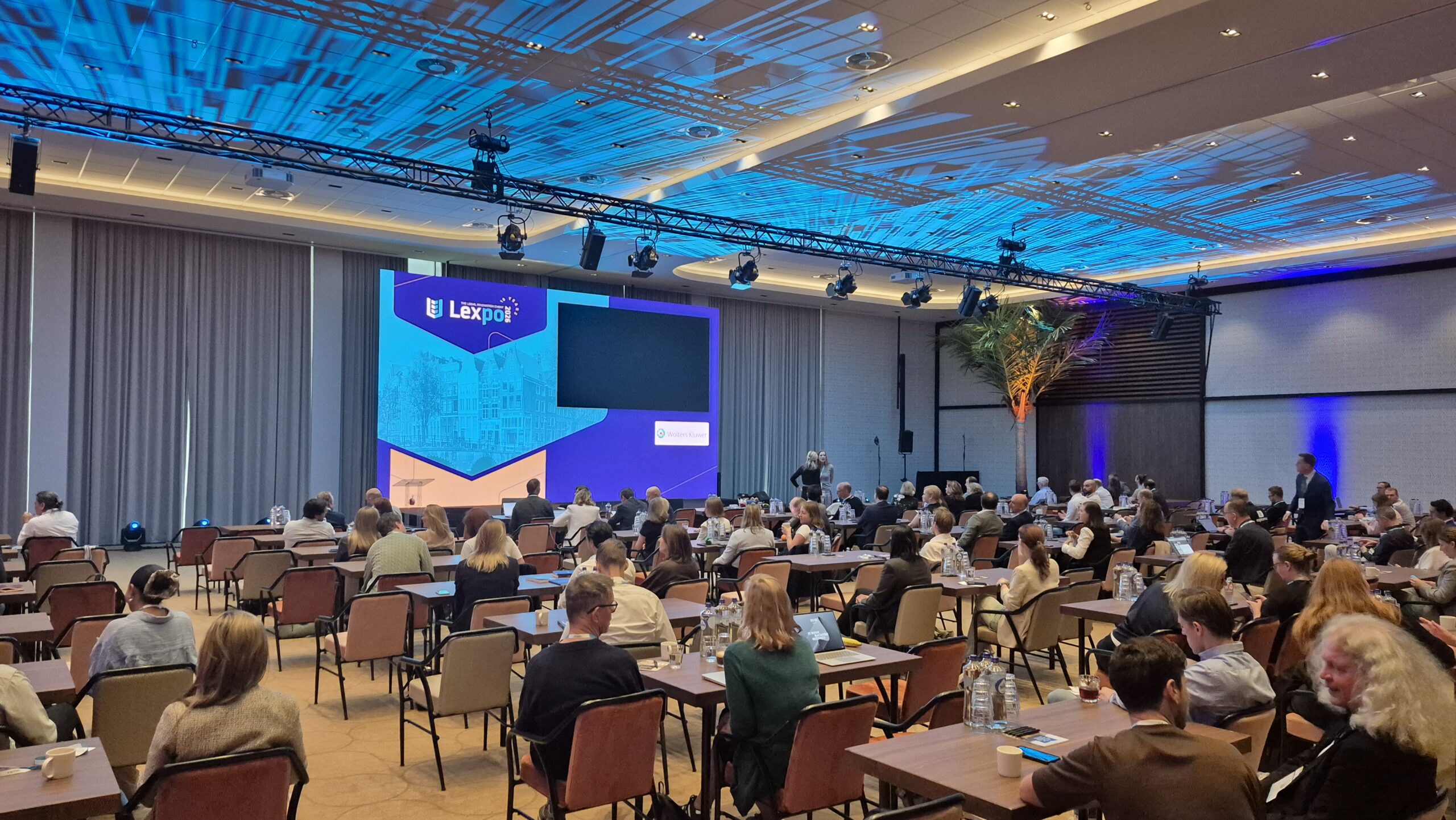
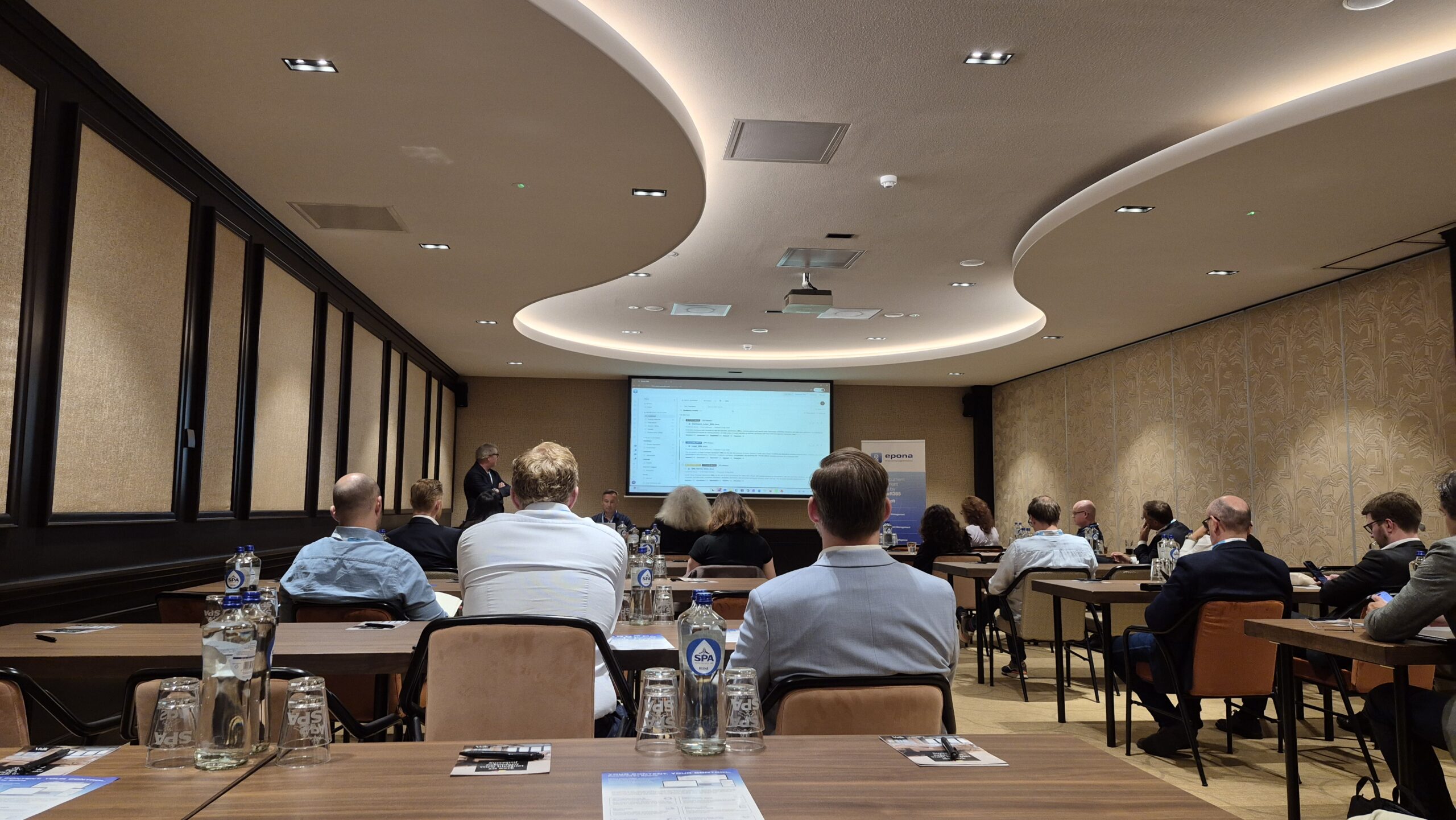
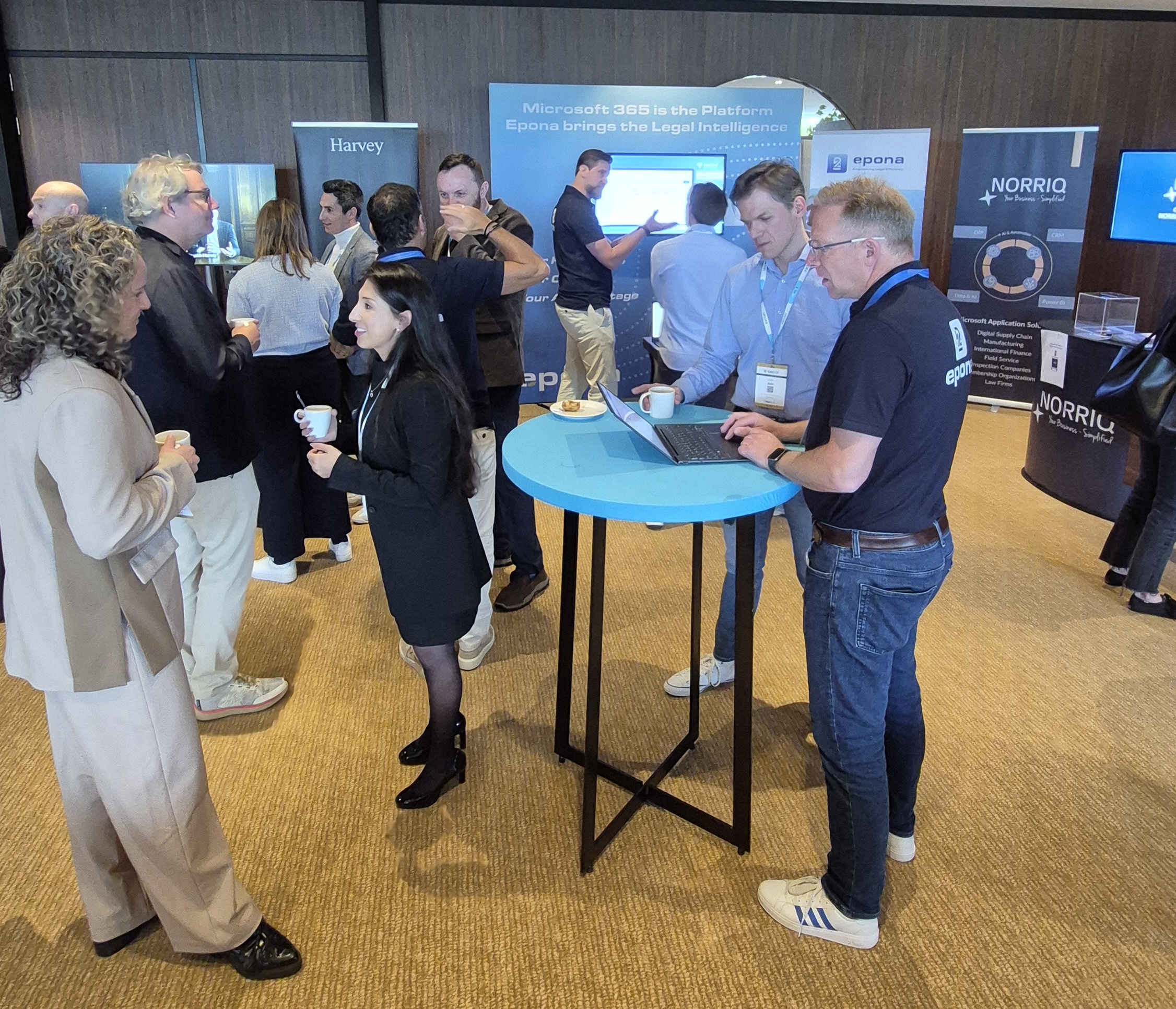
For Epona, Lexpo was also a special moment. During a session with Bart Bogaerts and Marcel Lang, we gave a soft launch preview of the new Epona KMS to representatives from 25 law firms. At the Epona stand, dozens of clients and prospects came to catch up on the latest developments, particularly in the new KMS. The new position of knowledge management in the AI discussion gave people a very natural reason to stop, ask questions and look at Epona with fresh eyes. We asked Martijn Jansen, Epona’s new Marketing Manager, what he took away from two days at Lexpo.
Martijn, your first Lexpo with Epona. What stood out?
What did the keynote sessions tell you?
“A lot of sessions touched on the same challenge: AI is here, but using it successfully takes more than access to a tool. One of the strongest themes was adoption on the long term, maybe not new but very relevant. How do you get people moving and make AI part of the work instead of a side innovation project? And how do you avoid building something in an innovation lab that never really reaches the lawyers? A very relevant point came from a KPMG Abogados (Spain) speaker José Rodríguez Coching, Head of Innovation & Technology: treat lawyers as co-creators, not just end users. That stayed with me. If lawyers help shape how technology is used, adoption becomes much more natural. They recognize their own work in the solution, and they understand the value earlier. So in the end, the AI tools or agents will have a long-lasting impact on the business. That is an insight every firm and legal tech vendor should consider when running AI and innovation projects.”

What does that mean for firms looking at AI?
“Start with the problem, not with the tool. That sounds simple, but it is still where many firms go wrong. AI creates energy, and energy is useful. But if you cannot explain which problem you want to solve, the technology quickly becomes a playground. One speaker described it well: organisations move through inspiration or desperation. Either people feel the opportunity, or they feel the pain. Both can work to get people in motion. What does not work is vague ambition. Firms need to ask practical questions.
- Where do we lose time?
- Where is knowledge hard to find?
- How do we maximize the use of our knowledge using AI?
- Which work is repetitive?
- Where do lawyers lack confidence in the information they use?
Once those questions are clear, AI becomes much easier to position.”

The new Epona KMS received significant attention. Why do you think that happened?
“Because knowledge management is suddenly back in the middle of the AI conversation. For years, KMS may have sounded like something for knowledge teams. Important, but not always urgent. AI has changed that. If firms want better AI outcomes, they need better knowledge underneath.
At the Epona stand, we saw that immediately. The soft launch of the new Epona KMS gave clients and prospects something concrete to respond to. They understand the issue. Their knowledge is there, but it is often scattered across matter files, templates, folders and people’s heads. AI makes that problem harder to ignore.
A lawyer does not want ten possible starting points. A lawyer wants the right starting point: current, approved and relevant. Exactly where KMS becomes valuable.”
“The DMS captures the work and the KMS activates the knowledge.”
What is the link between DMS and KMS in this story?
“The DMS captures the work, and the KMS activates the knowledge. That distinction is important. A DMS provides structure for documents, emails, and matters. A KMS helps firms select the knowledge worth reusing. You need both if you want AI to become useful in a legal environment. Without a strong document foundation, knowledge becomes difficult to trust. Without a knowledge layer, valuable work stays locked inside old matters. The combination is where things become interesting. Epona365 helps firms structure their legal work inside Microsoft 365. The new Epona KMS adds a layer for curated, governed and reusable knowledge. That is a very practical answer to a very current market question: how do we make our own knowledge usable for AI?”
You also spoke with partners at Lexpo. What where the conversations about?
“Bart (Partner Manager) and I had several strong conversations with potential partners and integration partners, including LegalSense, Norriq, LegalMike and Saga just to name a few. Legal teams work with a broader ecosystem: practice management, document management, and knowledge management all touch one another. So, partnerships matter. The more Epona connects well with the systems firms already use, the easier it becomes for clients to build a legal tech landscape that works in practice. Especially with partners that have the same basis, on the Microsoft platform. The KMS story also opens new partner conversations. It is no longer only about where documents live. It is also about how knowledge moves, how it is selected and how firms can reuse it intelligently.”
What do you take with you from Lexpo?
“What I take with me is that the discussion and decisions around AI in Legal are entering a next phase. The hype stories are still there, but the questions are getting more in-depth. Where does our knowledge live? Which information can we trust? How do we get lawyers involved? How do we measure impact? And what happens if AI starts working with content that was never properly structured in the first place?
With Epona365, firms can build a strong document foundation inside Microsoft 365. With the new Epona KMS, they can add a trusted knowledge layer on top. That may sound less spectacular than another AI demo, but for firms that want AI to work in daily legal practice, this is where it all starts.”