

From “upload and hope” to matter-safe AI
By Epona & Saga
What Saga & Epona 365 collaboration unlocks for legal teams
There’s a pattern we keep seeing in legal AI adoption: a lawyer finds a tool that feels magical, tries it once, gets a great summary, then immediately hits a wall: How do I use this without breaking confidentiality, losing matter context, or creating a compliance headache?
That exact question also came up during a recent internal AI awareness session we hosted at Epona together with Saga. In a separate article we share how we organize these sessions and why continuous AI awareness is becoming essential for legal teams.
That wall is exactly where platform thinking becomes more important than model thinking. Legal AI does not fail because lawyers don’t want it. It fails because the workflow around it is brittle: manual uploading and unclear retention. But also: disconnected metadata and uncertainty around who can see what.
Remove the friction
The collaboration between Saga and Epona 365 is designed to remove friction without removing control. It gives legal teams a practical bridge between where work lives (matter-centric document management in Microsoft 365) and where AI can add immediate value (analysis, drafting, due diligence, review, and structured verification).
Legal AI is moving beyond “chat”
The session made one thing clear: legal teams are moving from casual GenAI use toward more structured, task-oriented workflows, and increasingly toward agentic patterns. That evolution changes what “good” looks like. A standalone chat experience can be useful, but legal work asks for something more disciplined:
- repeatability;
- traceability;
- matter boundaries;
- and a path back to source.
Saga’s approach reflects this shift. Users can select models, but the real differentiator sits in the legal wrappers: assistants tuned for tasks, prompt libraries, citations, and a Word-based drafting workflow. One that feels familiar to lawyers who live in documents all day.

The productivity layer lawyers actually use: Word (and soon Outlook)
One of the most persuasive parts of the Saga walkthrough is how naturally the workflow lands in Word. Drafting is not the finish line in legal, but refining is. Lawyers want to adjust tone, tighten arguments, ensure internal consistency, and redline like they always have. Saga’s Word integration supports that reality. Instead of forcing lawyers to copy/paste between tools, the drafting and refinement happen where the work already happens. Suggestions can be applied with track changes and comments, which matters because legal review is often as much about defensibility as it is about speed.
Outlook integration is the next logical step, because client communication and matter correspondence are where risk accumulates fastest. When drafting support and verification live close to the email thread, teams can move faster without slipping into sloppy shortcuts.

The bridge:
moving matter documents from Epona 365 into Saga with less friction
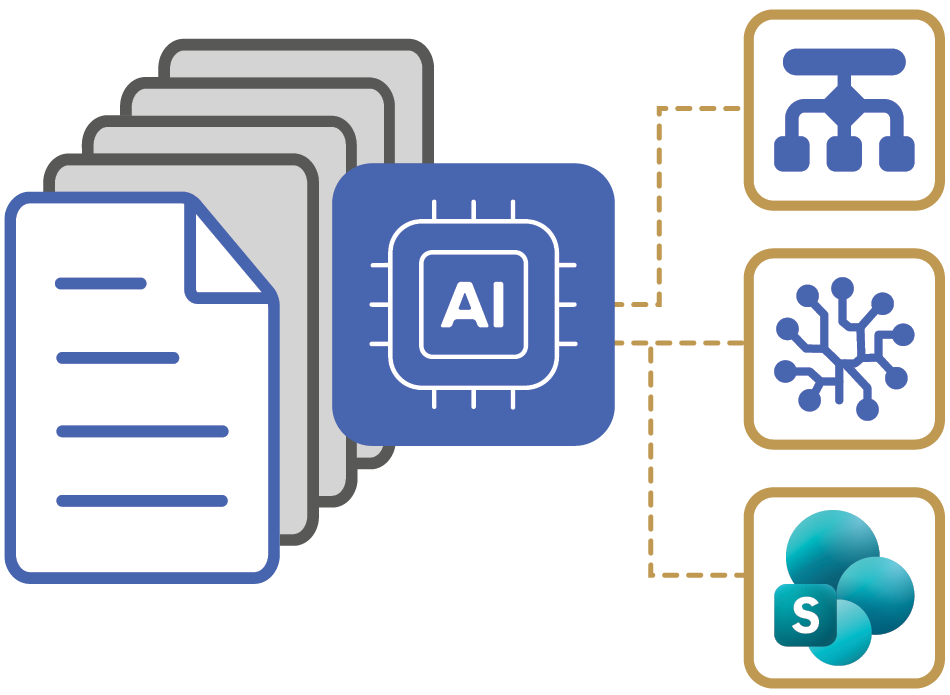
The simplest integration level is also the most immediately valuable: drag-and-drop / file pick from Epona 365 into Saga, so lawyers don’t need to download documents locally and re-upload them manually. That sounds small until you see what it prevents: confidential documents sitting on laptops, duplicated copies spread across folders, and unclear provenance when someone asks, “Which version did we use?” For many teams, removing those friction points is the difference between “nice demo” and daily use.
From the Epona side, we see three integration horizons that matter to legal IT:
- Open / Save workflows that feel native, reducing “tool switching”
- Matter synchronization for controlled consistent document availability
- A deeper capability connection (MCP-style) where systems can expose searchable capabilities and metadata-level context
That third horizon is where things get genuinely exciting, because it reduces brittle one-off integrations and opens the door to more dynamic workflows, including search-driven retrieval and contextual orchestration across systems.
Why trust becomes operational, not philosophical
Legal teams don’t avoid AI because they dislike innovation. They avoid AI when output cannot be defended. Saga’s citation model is a pragmatic answer to that problem. When a timeline, argument map, or analysis includes numbered references, the user can click through and see the supporting passage highlighted in the source document. That builds confidence quickly because it trains users to verify rather than guess.
It also reduces one of the most common failure modes in AI adoption: unrealistic expectations followed by disappointment. With citations and inspectable sourcing, the user experience becomes less like “trust me” and more like “here’s the evidence, check it.”
Due diligence and structured extraction: where the partnership can shine
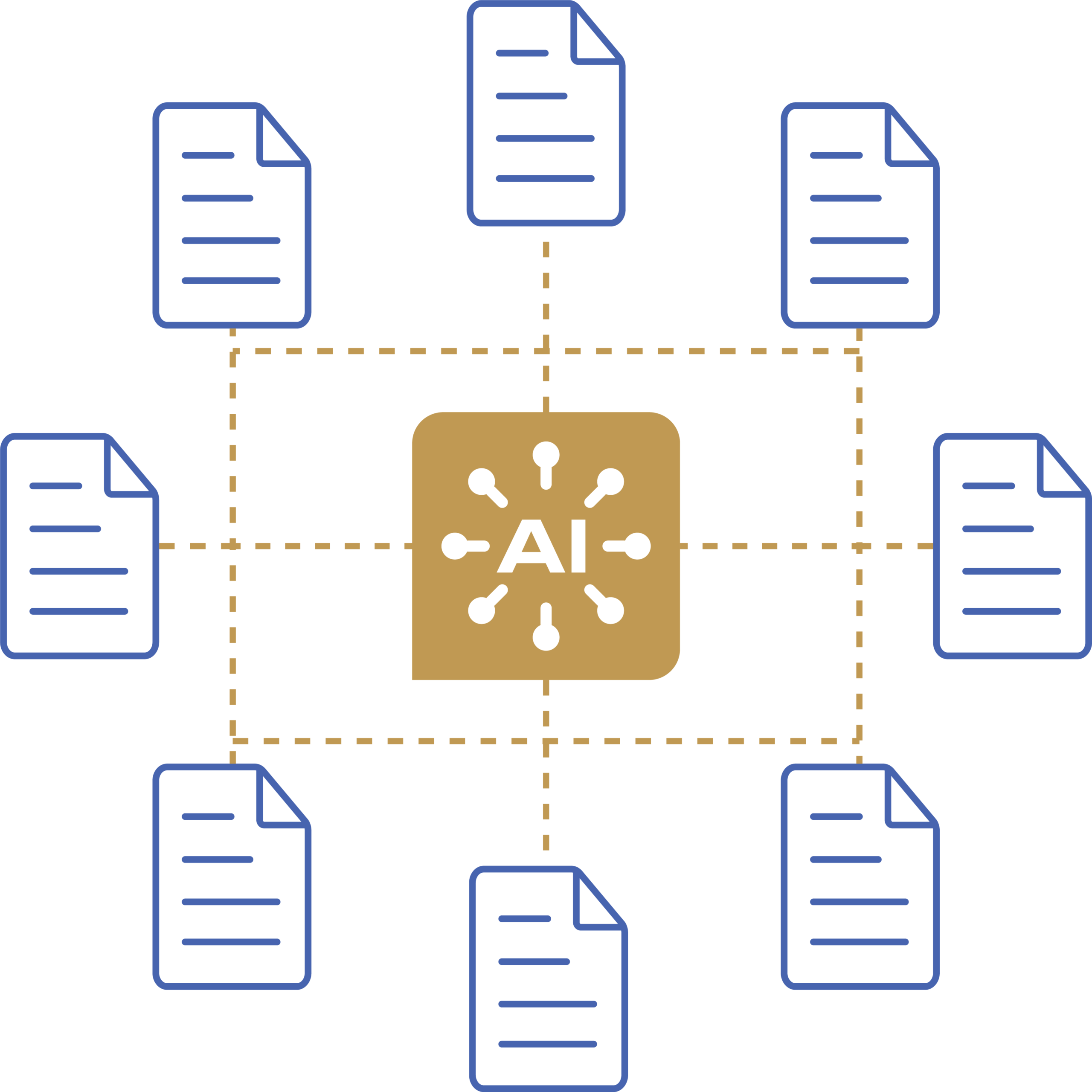
Due diligence remains one of the clearest “high volume, high pain” use cases. Saga’s grid review approach transforms multi-document scanning into structured extraction, particularly when templates standardize the questions, such as change of control, liability, termination, indemnities, renewal, IP, and others.
This is where the Epona 365 context becomes strategically important. The better your documents are organized around matters, permissions and structure, the more controllable – and valuable – these AI-driven reviews become. A chaotic repository produces chaotic results. A well-governed matter environment produces results you can operationalize.
The US security question:
“Who holds the data?”
This question arose directly in the Q&A, and it’s the right one. Many US clients now treat security as the adoption gate. They want to understand tenancy, retention, certification, and geopolitical risk. They also want clarity around where data resides, who can access it, and what happens to prompts and outputs over time.
The honest answer is that every architecture has trade-offs. Some tools operate entirely inside a customer tenant, others run in controlled cloud instances with strong contractual and technical safeguards. What matters in practice is whether legal and IT can make a decision with eyes open, backed by compliance evidence, retention controls, and a workflow that pushes final work product back into the DMS, where it belongs.
That last point matters: Saga does not aim to become a DMS. The end state for valuable output is still your governed matter environment.
Where this collaboration goes next
The best partnerships in legal tech don’t add yet another tool to the pile. They shorten the distance between daily work and safe AI value.
With Saga and Epona 365, legal teams get:
- easier document access without messy local copying
- a verification-led AI experience that lawyers can trust
- drafting and refinement where lawyers already work (Word)
- a clearer path toward deeper, metadata-aware integrations over time
In other words: less “upload and hope”, more matter-safe AI.

About Saga
Saga is an AI platform designed specifically for legal professionals. It helps lawyers analyze documents, conduct legal research, draft and refine legal texts, and streamline complex workflows such as due diligence and litigation preparation. By combining advanced language models with legal-specific verification features and source citations, Saga enables lawyers to work faster while maintaining the accuracy and accountability required in legal practice.
